As an influential industry organization with a high status in Japan's gaming sector, the Japan Online Game Association (JOGA) was established in 2010 with the main purpose of promoting the healthy development of the Japanese gaming industry, protecting consumer rights, and encouraging self-regulation and industry standards through guidelines and self-regulatory documents. In July 2024, JOGA, together with the Computer Entertainment Supplier's Association (CESA) and the Mobile Content Forum (MCF), jointly released the Blockchain Game Guide (hereinafter referred to as the "Guide"). This Guide integrates specialized knowledge on handling crypto assets and blockchain tokens in blockchain game distribution with traditional gaming industry knowledge and consumer experience.
This article will provide an introduction and analysis of the key points of the Guide in two parts. The first part introduces and comments on the main content of the Guide for readers.
Important Definitions
This section introduces various key business definitions related to blockchain games. Notable definitions include:
Blockchain Game: Refers to a specific type of game where digital data such as game items are presented in the form of on-chain tokens, and digital data transactions or exchange mechanisms are realized through token transfers.
Token: Refers to digital certificates issued on a specific blockchain using blockchain technology.
Crypto Asset: Refers to the “first type of crypto asset” or “second type of crypto asset” as defined by the Fund Settlement Law. These include various types of cryptocurrencies commonly used for trading and NFTs (non-fungible tokens) used for exchange or gifting, all of which are considered crypto assets under this category.
Prepaid Points: Refers to items defined under the Fund Settlement Law as “prepaid payment tools.”
NFT Marketplace: Refers to secondary market services that allow users to exchange and trade NFTs or NFT items.
Scope of Application
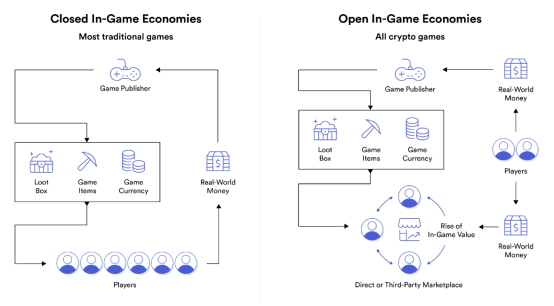
The Guide applies to blockchain games provided to Japanese residents by both domestic and international game operators, as well as games provided by operators located in Japan (whether for domestic or international residents). It is important to note that the Guide clarifies the issue of consistency with previous documents. Since earlier documents, such as CESA's Real Money Transaction Policy and JOGA’s Online Game Security Assurance Statement, prohibited real-money transactions (RMT), and the secondary trading of blockchain games is clearly an important part of game operations, the Guide explicitly states that the requirements related to RMT should apply to the Guide, and the prohibitive language in the previous documents will not apply to blockchain games.
Relevant Laws
Despite the core gameplay of blockchain games involving the trading and transfer of crypto assets, their operation still falls within the scope of existing Japanese gaming regulatory laws. Operators of blockchain games must confirm the legality and compliance of their game designs and marketing strategies in accordance with relevant laws and regulations.
Regarding the applicability of crypto assets in blockchain games, it is necessary to consider the specific usage, price, quantity, etc., of tokens or other digital assets involved. If the operator conducts activities such as buying, selling, or exchanging crypto assets or manages crypto assets, this would fall under the crypto asset exchange business as regulated by the Fund Settlement Law. Operators of blockchain games should be aware of the registration obligations required for crypto asset transactions under this law.
Since tokens and NFTs involved in blockchain games generally possess property attributes and trading value, they are likely categorized as prepaid payment tools under the Fund Settlement Law. Game operators issuing such tokens or NFTs should pay attention to the statutory deposit requirements for prepaid payment tools. If the unused balance of such tools exceeds ¥10 million as of the record date (September 30 and March 31 each year), the operator must provide a deposit guarantee amounting to at least half of the unused balance.
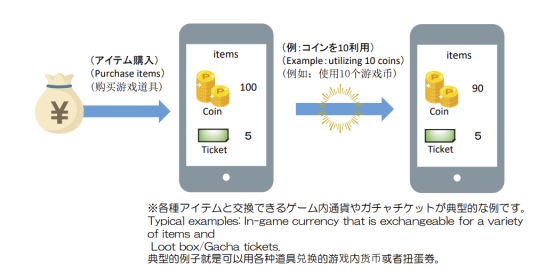
In addition, during the operation of blockchain games, operators shall comply with the relevant provisions of the Act against Unjustifiable Premiums and Misleading Representations , and shall avoid the excessive provision of prizes or incentives. When displaying game information or publishing game-related advertisements, operators must ensure the authenticity of such content and avoid any conduct that may mislead consumers. In particular, operators shall not make any statements that are inconsistent with the facts or otherwise likely to mislead users with respect to in-game items or service content provided in blockchain games, including, but not limited to, the terms governing the sale of randomized items and the terms of use applicable to other in-game items.
Where limited-time or limited-quantity NFTs or tokens are issued, operators shall ensure that they do not, whether expressly or implicitly, promote or emphasize the scarcity of such crypto assets, nor encourage premium trading among users. In cases involving limited-time issuance, operators shall clearly specify the deadline for the cessation of sales or supply of the relevant products.
Apart from compliance requirements aimed at protecting consumer rights and preventing consumer fraud, the Guide also addresses potential criminal risks that may arise in the operation of blockchain games. For example, NFT items handled in blockchain games are generally considered to possess property interests. Where such NFTs are obtained through sales mechanisms based on randomized gameplay, under which participants are unable to accurately predict or control the conditions for winning, and where the acquired crypto assets are capable of subsequent trading or monetization, such gameplay mechanisms may already satisfy the constitutive elements of gambling offenses and may constitute the crime of gambling under the Criminal Law.
Compliance Operation
Blockchain game operators should fully explain game content and mechanisms to users and ensure user safety. During the process of providing white papers, issuance plans, and other explanatory documents regarding blockchain game business logic, operators should assess the feasibility of various business scenarios to avoid misleading consumers.
To ensure fair trading within blockchain games, operators should maintain price stability, conduct relevant business activities cautiously, and avoid harming users' rights. In terms of smart contract design and architecture, operators should avoid arbitrary modifications or operations, though adjustments may be made within a reasonable scope if pre-notified and explained to users.
Regarding the protection of minors, operators should ensure compliance with documents such as the JOGA Online Game Safety Declaration or the CESA Minor Protection Guidelines. Measures should be implemented in game rating, recharge interfaces, and complaint management to protect the rights of minors.
In the event of game shutdowns, special attention should be given to the handling of game tokens and NFTs. Operators should clearly inform users of how existing crypto assets will be handled during the shutdown process. If these crypto assets are no longer tradable or exchangeable after the service stops, operators must make such information clear in prominent locations, such as on purchase pages, user agreements, and official announcements.
Disclosure of Matters
Operators should clearly disclose project content in the terms of use or product sales pages, including but not limited to project features, mechanisms, usage methods, and transferability.
When issuing crypto assets, operators should provide necessary information as required by the Specified Commercial Transactions Law and other regulations, including item value and payment methods. If blockchain games require payment to unlock content or have in-game purchases, operators should make these fees clear.
When describing the value of crypto assets, operators should avoid suggesting that there is a future price increase or extremely high investment value. Particularly when advertising NFTs, operators should refrain from implying that NFTs in secondary markets will always have higher prices than primary market purchases or encouraging users to engage in premium transactions.
If the operator also manages an NFT trading market outside of the game, it must ensure transaction fairness. The operator can act as a trading platform manager and charge commissions or transaction fees, but it must not set transaction prices or participate in trading activities.